
Perspectives
Most automotive marketing problems have more than one solution.
These are ours. If they resonate with you, we should probably chat…

Why good automotive sales meetings still go nowhere
A good automotive sales meeting can be surprisingly misleading. The customer understands the product, the questions are positive and there is enough interest to talk about what happens next. Then the opportunity slows down.
Often, the explanation sits elsewhere inside the customer. Automotive buying decisions travel through engineering, programme, procurement, quality, finance and leadership, gathering new questions as they go. The person you convinced in the first meeting may now have to convince several people you will never meet.
Understanding those hidden conversations changes how you prepare for meetings, follow up, build sales material, support internal champions and respond to RFQs. At Six Lines, we call the people around those conversations the Decision Room.

Automotive go-to-market strategy: Key tips for suppliers entering the automotive industry
A capable company decides to enter automotive. The product performs well in other sectors. The sales narrative is refined. Early meetings with automotive teams are positive. Interest is genuine… and then momentum slows.
For companies new to the sector, this is disorientating, as the product solves a real problem and is a proven success in other industries, but the sale simply did not happen. To understand why, it helps to understand what the automotive industry has lived through over the past decade.
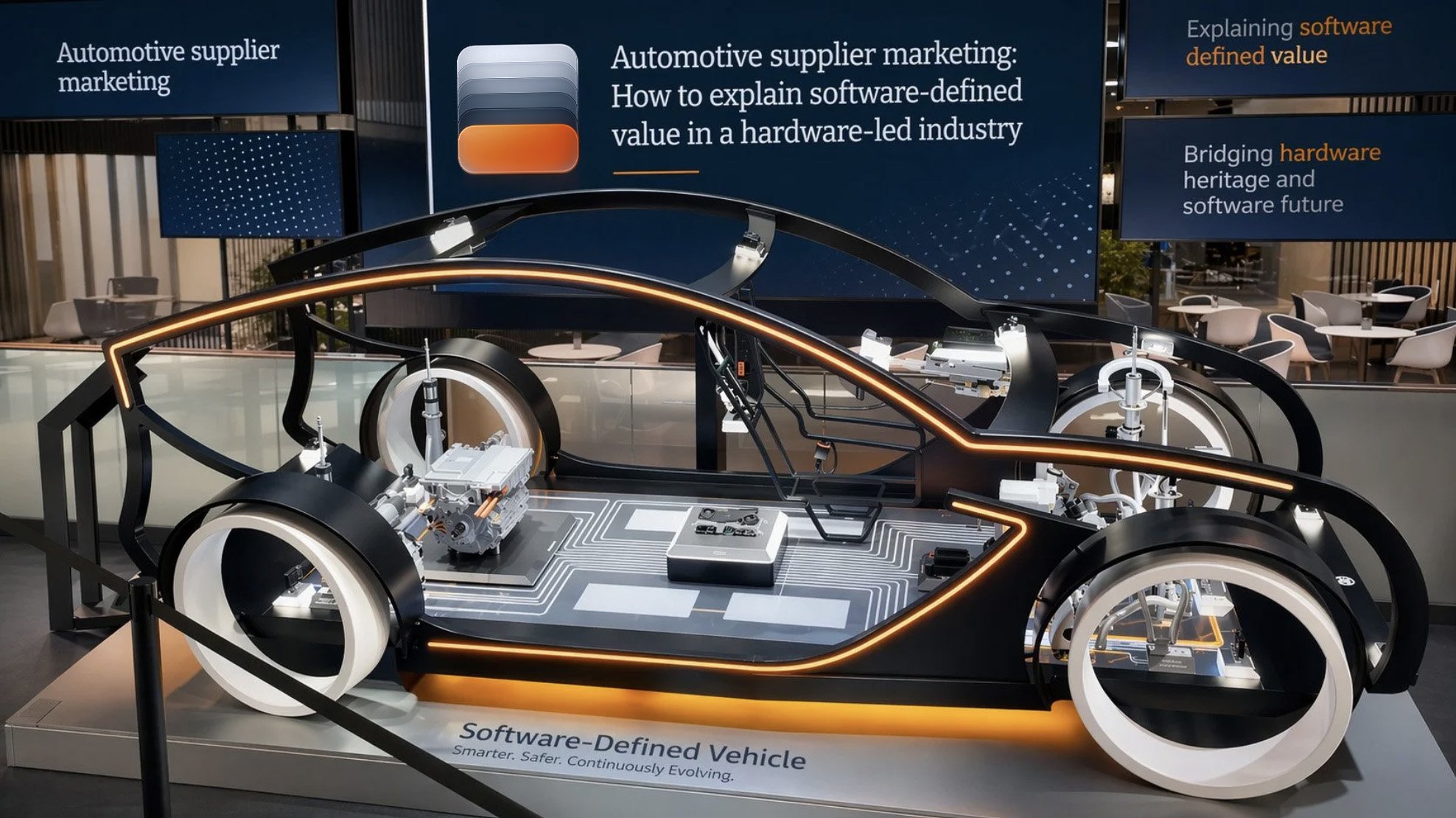
Automotive supplier marketing: How to explain software-defined value in a hardware-led industry
A lot of automotive suppliers are now creating value in ways that do not sit neatly inside the old language of component marketing. The vehicle is becoming more software defined, the value of a system often continues long after SOP, and buyers are increasingly weighing questions around integration, updateability, cybersecurity, data, and long term flexibility alongside the underlying product itself. But many supplier websites and sales teams still present that value in a much older way, through feature lists, product descriptions, and technical claims that make sense in isolation, but doing too little to explain why the offer matters commercially inside the modern automotive buying process.

Ferrari’s making an EV: Let’s all take a deep breath
OK, breathe in…
The Luce has arrived with the sort of reaction only Ferrari can generate. An electric car from any other manufacturer would be judged on range, charging speed, performance, price and whether the interior feels expensive enough. An electric Ferrari is judged against childhood posters, racing history, V12 thrums, resale anxiety, whether everyone involved in the marketing is a genius (or the opposite), and the rotational speed of Enzo Ferrari in his grave. This was always going to be a weird week on LinkedIn.
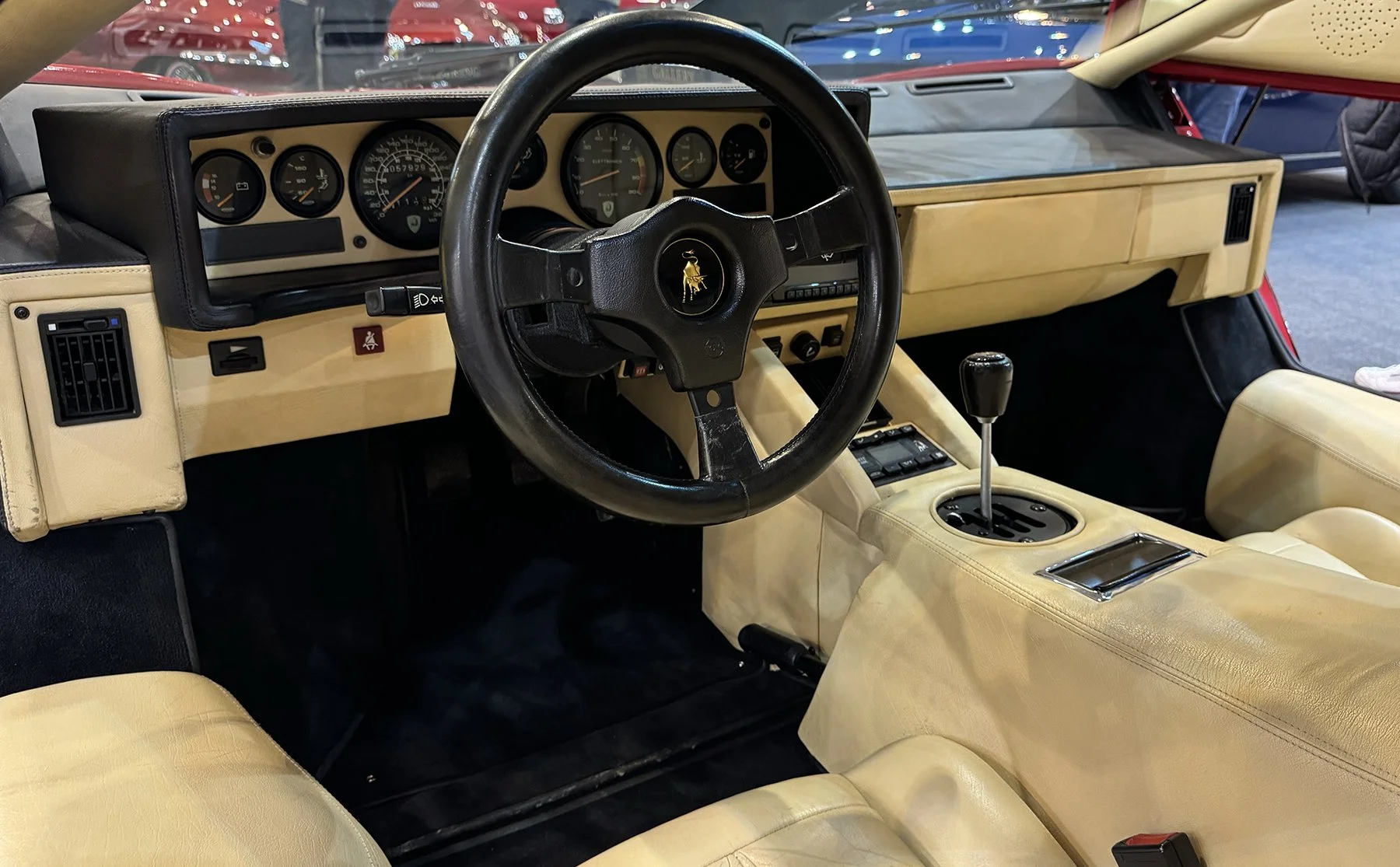
Car Dealers: How classic car dealers turn credibility into profit
Classic car buyers rarely struggle to decide what model they like. By the time they speak to a dealer, they already know the car, have read the history, followed auction results, joined owner groups, and formed strong opinions.
What they are deciding is whether they can justify this car.
That distinction matters. Most classic car marketing still sells the idea of the model, but buyers are weighing condition, provenance, correctness, known issues, how much they trust the business selling it and whether this car speaks to them. When marketing stays at model level, buyers are left to do the hardest part of the work themselves. And when buyers have to fill in gaps, hesitation follows, browsing continues, and the dealer whose messaging is doing the heavy lifting for them, gets the sale.

Synthetic Fuels: The tipping point where e-fuels either mature or stall
Synthetic fuels keep appearing in the same places. They show up when someone wants to rescue internal combustion from a deadline. They appear when an OEM wants to signal openness without changing its product plan. They surface when motorsport wants to prove it can stay relevant. They arrive in policy documents when aviation tries to find a route to lower emissions that still fits inside today’s aircraft and refuelling system.
Because they keep appearing as a supporting character, the market still struggles to place them. People argue about efficiency, scale, cost, and intent, and then the conversation slips back into the EV debate and loses its focus.
This matters because synthetic fuels are entering a risky stage. The engineering is moving into industrial projects, the capital is serious, and the timelines are long. But the public story is still unstable, which keeps the category feeling optional. When a technology needs years of investment to mature, being treated as optional is a significant commercial problem…
Automotive Startups: Why OEMs and suppliers hesitate after good meetings
Most automotive startups can generate interest. Early conversations are often positive, meetings are easy to secure, and feedback tends to sound encouraging. What founders struggle with is what happens next. Progress slows, follow-ups stretch out, and pilots that once felt so close suddenly lose momentum. Your emails simply stop getting responses.
Why? Because the decision to proceed feels difficult for the buyer to justify internally.

Engineering & technology SMEs: How to move beyond technical expertise into predictable growth
Milton Keynes has become a hub of the UK’s more interesting engineering and technology business. Sitting within the Oxford-Cambridge technology corridor and adjacent to Motorsport Valley, the region brings together an unusually broad mix of technical industries. Automotive engineering consultancies, simulation specialists, mobility software companies, robotics developers, manufacturing technology firms and advanced research teams all operate within a relatively small geography.
This concentration of talent has had an interesting effect. Companies here are rarely working in isolation, with engineers moving between businesses, ideas crossing disciplines, and supply chains form naturally between firms that understand complex technical work. It has created an environment where specialist companies can grow quickly while still remaining deeply technical.
In many cases, those businesses are plateauing because of how the business is positioned.

Automotive Consultancies: How to survive OEM budget cuts
When budgets tighten inside OEMs, automotive consultancies are often the first line item to be questioned, because it is far, far easier to pause external support than cut internal headcount.
Suddenly projects get delayed, scope is reduced, spending gets deferred and your emails stop getting replies. From the outside, consulting looks flexible, but from inside the OEM, you start to look optional. You’re a luxury they can’t afford…
Restomod Marketing: Exceptional craftsmanship is no longer enough
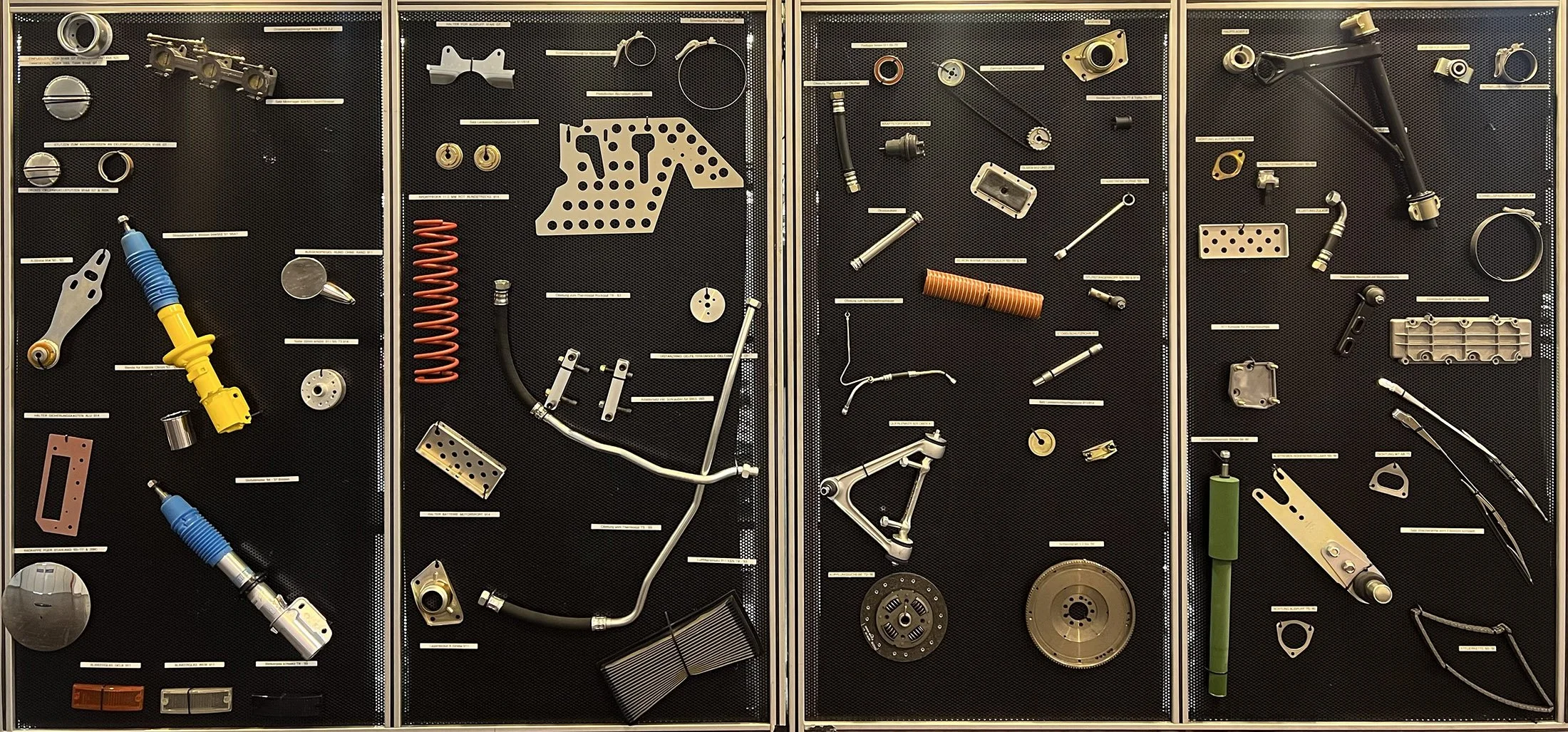
Most restomod buyers are making one of the largest discretionary decisions they will ever make. Prices are high and lead times long, and buyers treat this purchase as both an emotional and a technical commitment. Clients are committing significant money and time to something that exists only as a dream when they place their commission. That makes the decision less about desire and more about trust. A buyer is not just choosing a car. They are choosing a company they believe can deliver consistently, manage complexity, and still feel in control months or years down the line.
This is why restomod marketing is not primarily about excitement. It is about confidence. Buyers need to feel that the business behind the car is stable, deliberate, and capable of repeating the standard they are being shown.
For many restomod brands, the risk is not product quality. It is that their messaging does not make that level of competence obvious.
Tier 1 Suppliers: How to market complex products to OEM buyers
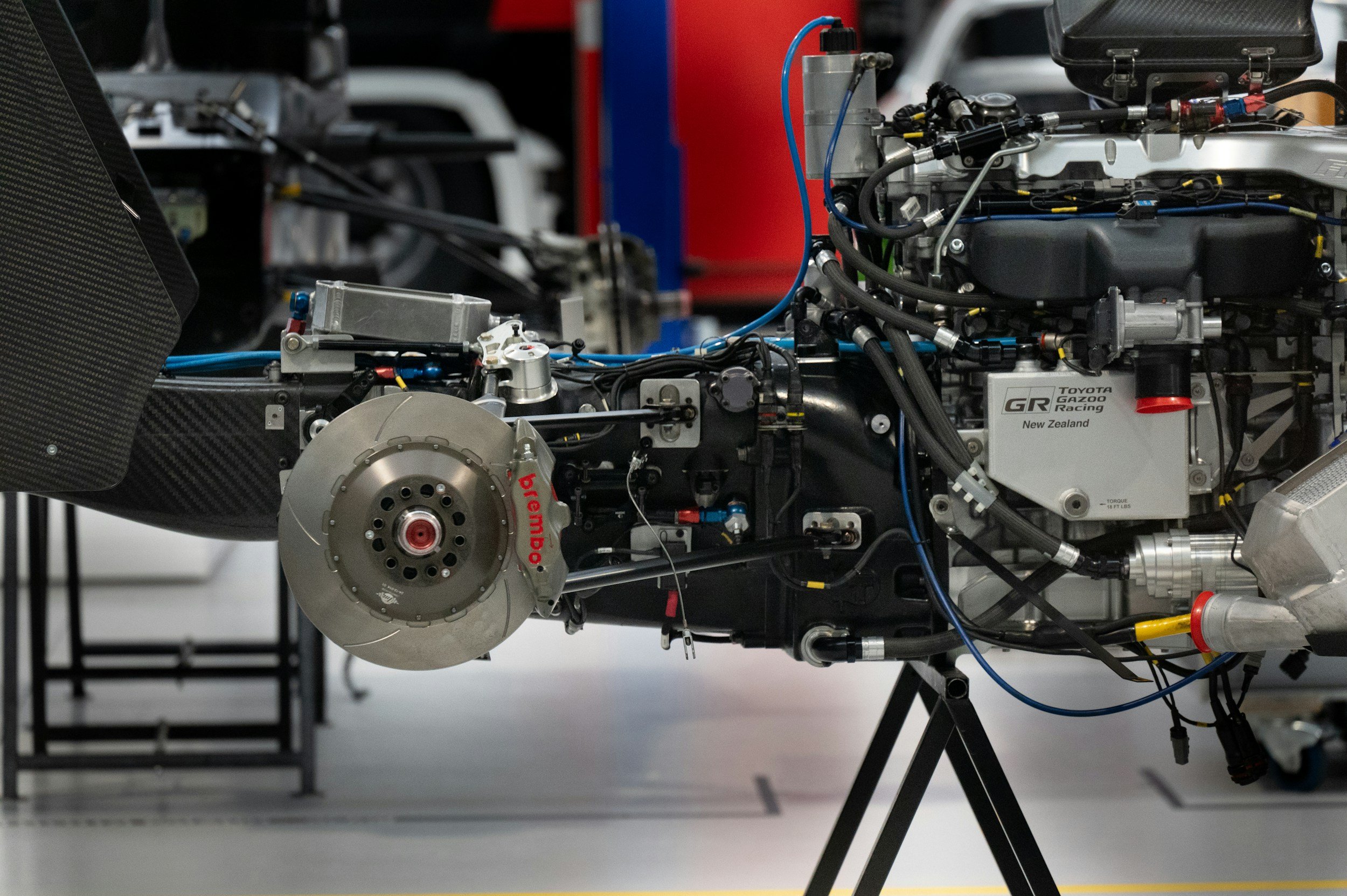
Automotive supplier products are often complex, but complexity is rarely why OEM decisions stall. OEMs hesitate because they are balancing risk, integration effort, and internal accountability.
You are not selling to one person. You are selling into a group that carries shared risk. Engineering wants confidence in performance and integration. Procurement wants confidence in cost, supply, and long-term exposure. Programme teams want confidence in timing and support. Quality teams want confidence that you have done this before and will still be there when something goes wrong. And none of them want to be yelled at for picking the wrong product.

Motorsport Suppliers: How to use brand heritage to win sales
Motorsport heritage is not a timeline. It’s proof that your brand performs under pressure.
Heritage works when it reduces buyer uncertainty. It turns “we’ve been around a long time” into “this company knows what failure looks like and designs specifically to avoid it.”
If your heritage is just a timeline on your website, you are leaving value on the table. Not just in how much your product is worth, but how much your company is worth. Buyers don’t pay more for nostalgia. They pay more for confidence, and to share in your capability.
Autotrader: How to reduce your days-to-turn
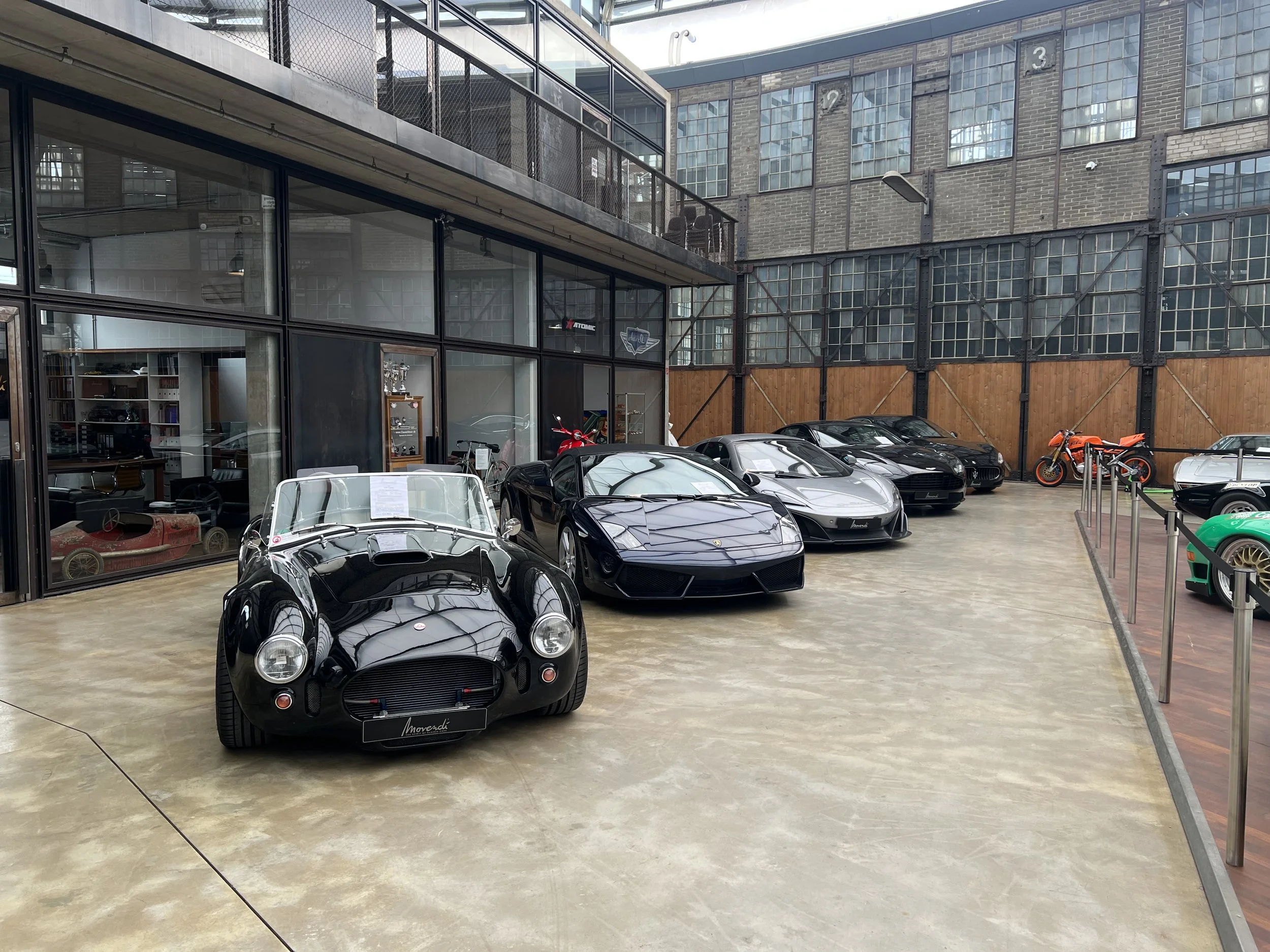
Days-to-Turn is not a marketing problem. It is a working capital problem that marketing can fix. If you pull the right levers, it can be fixed fast.
Every extra day a car sits online is money locked up. It is also attention leaking away. The longer a vehicle hangs around, the more likely it is that your team starts making quiet compromises. The photos stay as they were. The description stays generic. The price gets nudged down in small steps because someone feels they should do something, even if they are not sure what.
That is how good stock becomes dead stock, and it can happen fast!