Restomod Marketing: Exceptional craftsmanship is no longer enough
Six Lines - Restomod Marketing Support
Most restomod buyers are making one of the largest discretionary decisions they will ever make. Prices are high and lead times long, and buyers treat this purchase as both an emotional and a technical commitment. Clients are committing significant money and time to something that exists only as a dream when they place their commission. That makes the decision less about desire and more about trust. A buyer is not just choosing a car. They are choosing a company they believe can deliver consistently, manage complexity, and still feel in control months or years down the line.
When that belief is not established early, hesitation appears quietly. And in low volume, high margin businesses, hesitation is expensive.
Restomod marketing needs to lead with what matters most to buyers… Confidence that the company will deliver, manage complexity, and keep them informed throughout the build. Buyers need to feel that the business behind the car is stable, deliberate, and capable of repeating the standard they are being shown.
For many restomod brands, the risk is not product quality. It is that their messaging does not make that level of competence obvious.
Craftsmanship is expected. Credibility is earned.
Most restomod marketing leans heavily on beauty, heritage, and passion. Those elements are important, but they are also table stakes. Buyers in this segment assume the car will be beautifully finished. They assume attention to detail. They assume engineering competence.
What they are really evaluating is whether the business feels stable, repeatable, and trustworthy. They are asking themselves whether this company feels like it knows how to deliver the same quality again and again.
Brands like MST, Theon Design and Alfaholics stand out because their communication consistently reinforces process as well as product. They show how decisions are made. They show restraint. They demonstrate that the work is not improvised, even when it’s bespoke.
It’s this reassurance allows a buyer to move forward without needing constant validation.
Restomod clients are buying a journey, not a build.
Once a customer commits to a build slot, the relationship changes. The commission might be confirmed, but the risk for them has not disappeared, it has skyrocketed. And if your client is feeling that risk, you need to, too. In many cases, the buyer now faces twelve months or more of waiting. During that time, excitement can easily give way to doubt if communication is inconsistent or unclear.
This is where many low-volume automotive businesses struggle. The workshop takes priority, which is understandable. But when the digital and communication experience fades into the background, clients are left to fill the gaps themselves. What if this silence means a delay? What if this lack of detail is a lack of control?
In this segment, the build journey is part of the product. How a customer feels while waiting matters just as much as how they feel on handover day.
Intentional communication reduces risk & builds advocacy
You don’t constant updates or complex systems to keep buyers involved. You need intentionality (this is a word, we promise). Buyers want to feel remembered and involved, not managed.
Simple, well judged touchpoints can make a significant difference. Personalised updates that explain which stage the build is at and why it matters. Visuals that show real progress rather than generic milestones. Physical items that make the car feel tangible before it exists.
This could be a painted speed form in the customer’s chosen colour. A key fob trimmed in the same leather as the interior. Even an uncut key delivered early, later replaced at handover. These gestures are not about spectacle. They are about reinforcing belief.
When done well, they reduce the likelihood of buyers questioning their decision late in the process. They also turn customers into quiet advocates long before delivery, sharing the story with friends and peers who are often part of the same buying audience. A keychain in their pocket becomes an excuse to talk about their build. The speedform in their hallway starts conversations.
Creating updates that keep buyers confident and excited
If a buyer is waiting months for a build slot, your email programme is not “marketing”. It is reassurance, momentum, and relationship.
Here, you want a simple cadence, with content that makes progress feel real, ongoing, and makes the buyer feel included.
Build updates
A short monthly update that answers three things: where their car is, what changed since last update, what happens next
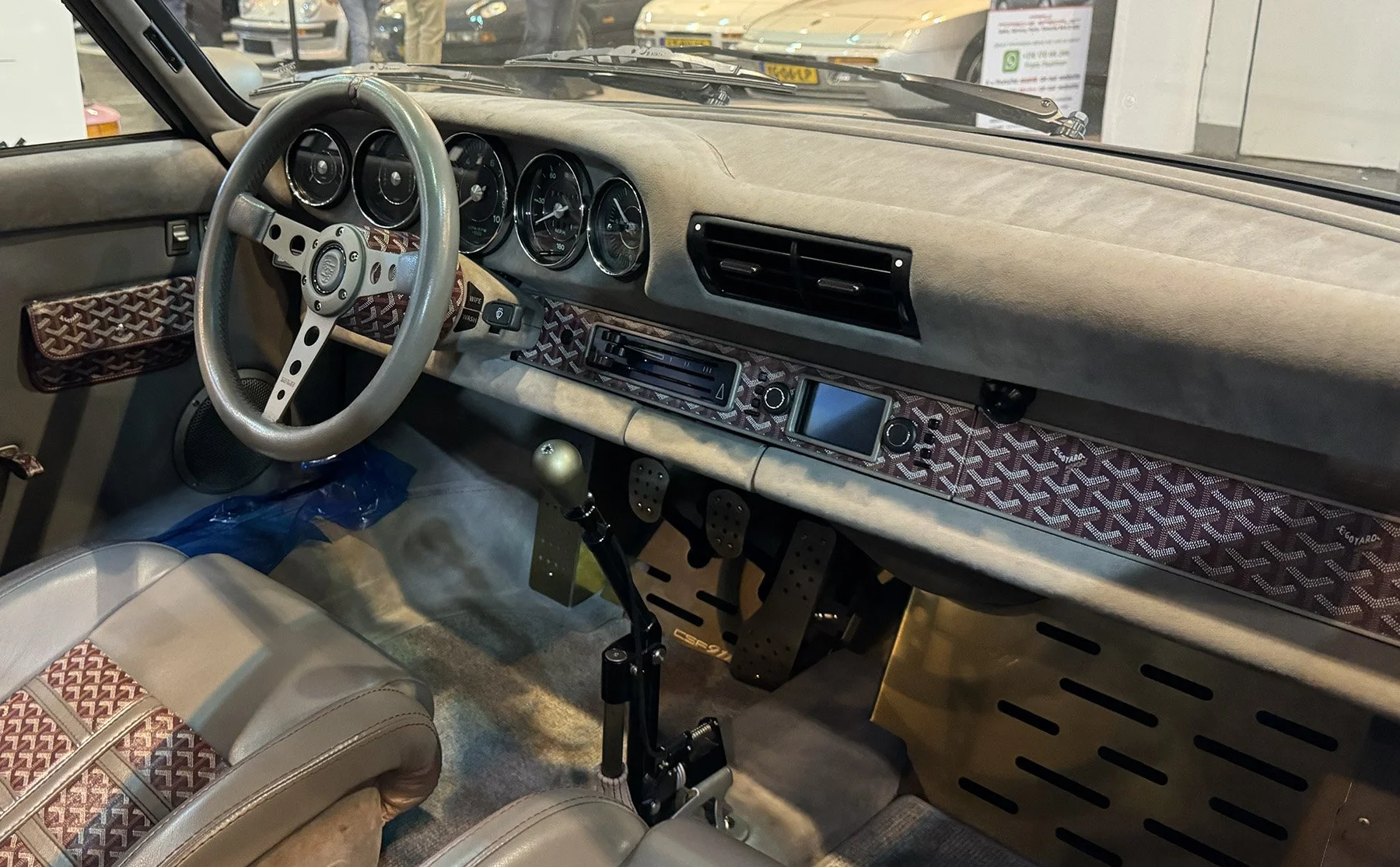
One photo set that shows real work, not polished hero shots. Close ups of stitching, machining, paint prep, jigging, test fitment
A short note explaining one decision you made, and why. This signals engineering judgement and care
A simple timeline view that shows the stage, even if dates move. Buyers accept movement more easily than silence
Community updates
Owner deliveries. Not as bragging, but as proof of throughput and finishing quality
Workshop moments. Short videos of testing, shakedown, or calibration
Events and meet ups. Track days, breakfast meets, factory visits, owner runs
New content that reinforces credibility. A short piece on reliability choices, validation approach, or parts sourcing
Surprise physical gifts
A painted speed form in their chosen colour and finish
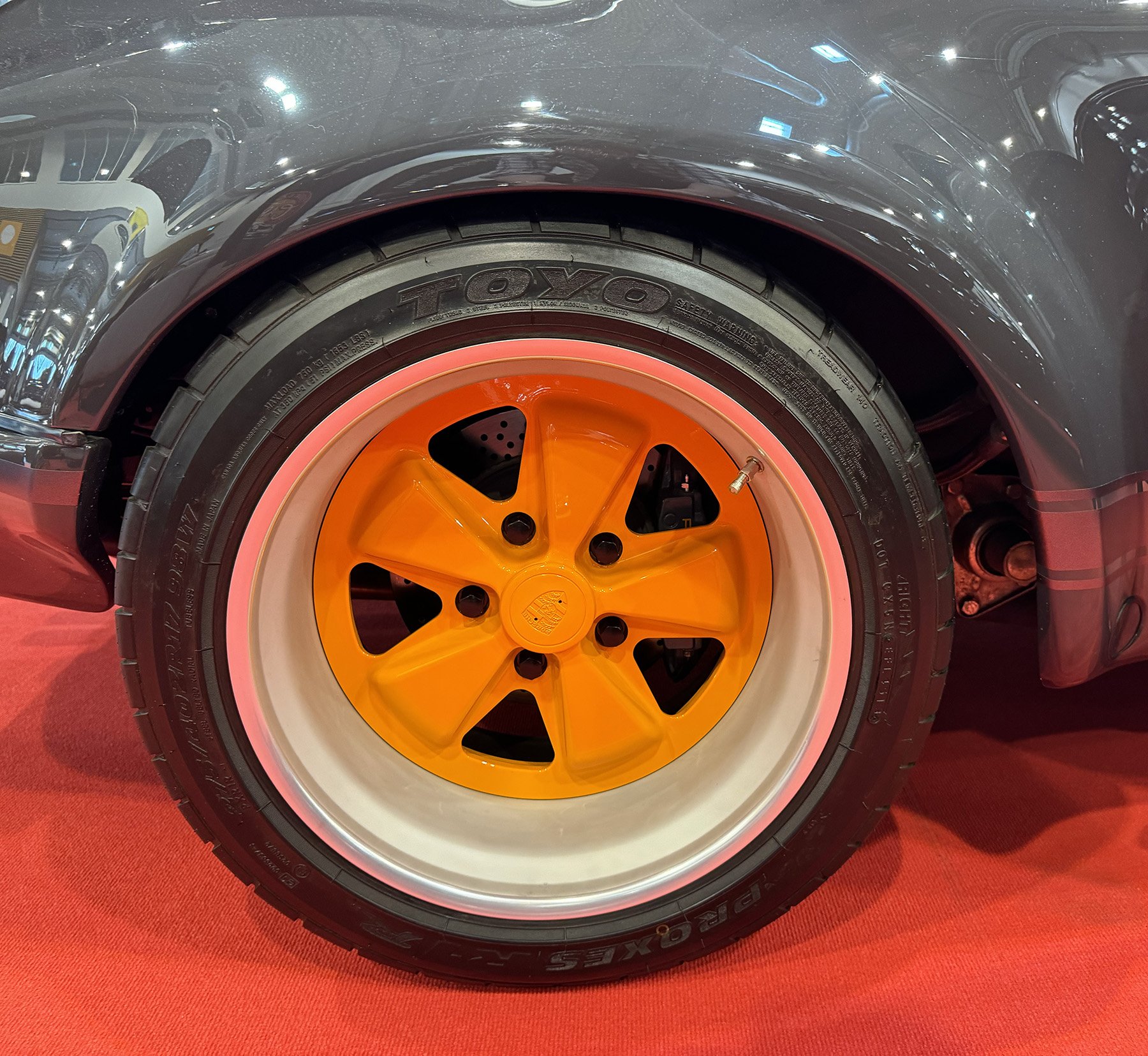
A leather keyring in their interior hide and stitch colour
An uncut key delivered early, replaced at handover
Printed photos of the build with handwritten status updates on the back
The point is not to create noise. It is to remove doubt, keep excitement alive, and make the buyer proud to share the story early. That reduces drop out risk and turns customers into advocates long before delivery.
Standing out in a crowded market requires more than a good looking website
The restomod market is becoming more saturated. More builders are entering the space, and many of them produce visually impressive work. As a result, differentiation increasingly comes from experience rather than aesthetics.
This is where digital customer experience often slips. Websites focus on galleries rather than explanation. Messaging celebrates outcomes but avoids discussing how complexity is handled. Build processes are hinted at but not clearly described.
For buyers making high value, high trust decisions, that lack of clarity creates friction. It makes comparison harder and increases perceived risk. In contrast, brands that explain how ownership works, how builds are structured, and how customers are supported tend to feel easier to choose, even at a premium.
What the strongest restomod websites do differently
The strongest restomod websites focus less on spectacle and more on explanation. The teams at Eagle, Gunther Werks, Paul Stephens, and Kimera Automobili are all clear about their philosophy. They explain what is changed, what is deliberately left alone, and why those decisions matter. That clarity helps buyers understand that the car is the result of engineering judgement rather than taste alone.
They also reduce uncertainty by showing repeatability and process. Multiple completed builds, consistent standards, and honest discussion of ownership reality make the commitment feel safer. Engineering choices are explained just enough to signal competence without overwhelming, and the path to enquiry is calm and explicit. The result is a website that makes a buyer feel confident.
A useful test
Can a buyer answer these after ten minutes on your site? Can you?
What makes this build different?
What it will feel like to own?
How the company manages quality and reliability?
What a buyer is actually buying beyond the finished car?
What happens next if they want a slot?
If the site doesn’t answer these questions, it is not doing its job. And in a market that is getting more crowded, clarity is competitiveness.
Where Six Lines fits
Six Lines works with specialist automotive brands where the product is exceptional, but the story needs structure.
For restomod businesses, that typically means:
Clarifying positioning without losing soul
Explaining process without killing emotion
Designing build journey communication that scales
Supporting customer experience before and after delivery
The aim is simple. Help your buyers feel confident, involved, and proud to talk about you long before they turn the key. If you obsess over the details of remarkable cars, your marketing should make the waiting feel just as considered as the finished product.
If this resonates, we should probably talk.
This article is part of Perspectives, our series of practical views on automotive marketing problems.