Tier 1 Suppliers: How to market complex products to OEM buyers

Six Lines - Supplier Marketing Support
Why OEM buyers are hard to win

Automotive supplier products are often complex, but complexity is rarely why OEM decisions stall. OEMs hesitate because they are balancing risk, integration effort, and internal accountability.
You are not selling to one person. You are selling into a group that carries shared risk. Engineering wants confidence in performance and integration. Procurement wants confidence in cost, supply, and long-term exposure. Programme teams want confidence in timing and support. Quality teams want confidence that you have done this before and will still be there when something goes wrong. And none of them want to be yelled at for picking the wrong product.
That means your marketing is not about visibility or reach. It is about clarity, credibility and confidence. The real win will not be in clicks or downloads. It will be the right people inside the OEM thinking “this looks credible” and feeling safe to explore next steps with you.
Most supplier marketing gets skimmed, shared internally, and then quietly forgotten. Not because the technology is weak, but because the story makes it hard for someone inside the OEM to recommend next steps with confidence.
The mistake most Tier 1s keep making
Most Tier 1 marketing focuses on the product. The worst campaigns focus on features. But OEM decision making is focused on risk and outcomes, so your marketing messages must do the same.
Suppliers lead with features, acronyms, and architecture diagrams. The information is usually correct, but correctness is not the problem. It does not help the buyer decide what to do next.
The Tier 1 suppliers that tend to perform best in automotive OEM environments rarely sell on features alone. Marketing teams at Bosch or Continental typically lead with maturity, integration clarity, and proof of repeatability. They rarely rush to highlight what is new, instead focusing on what is dependable, defensible, and ready to support a programme decision.
This isn’t an accident. It reflects what OEM buyers want to know at this stage in the purchase decision.
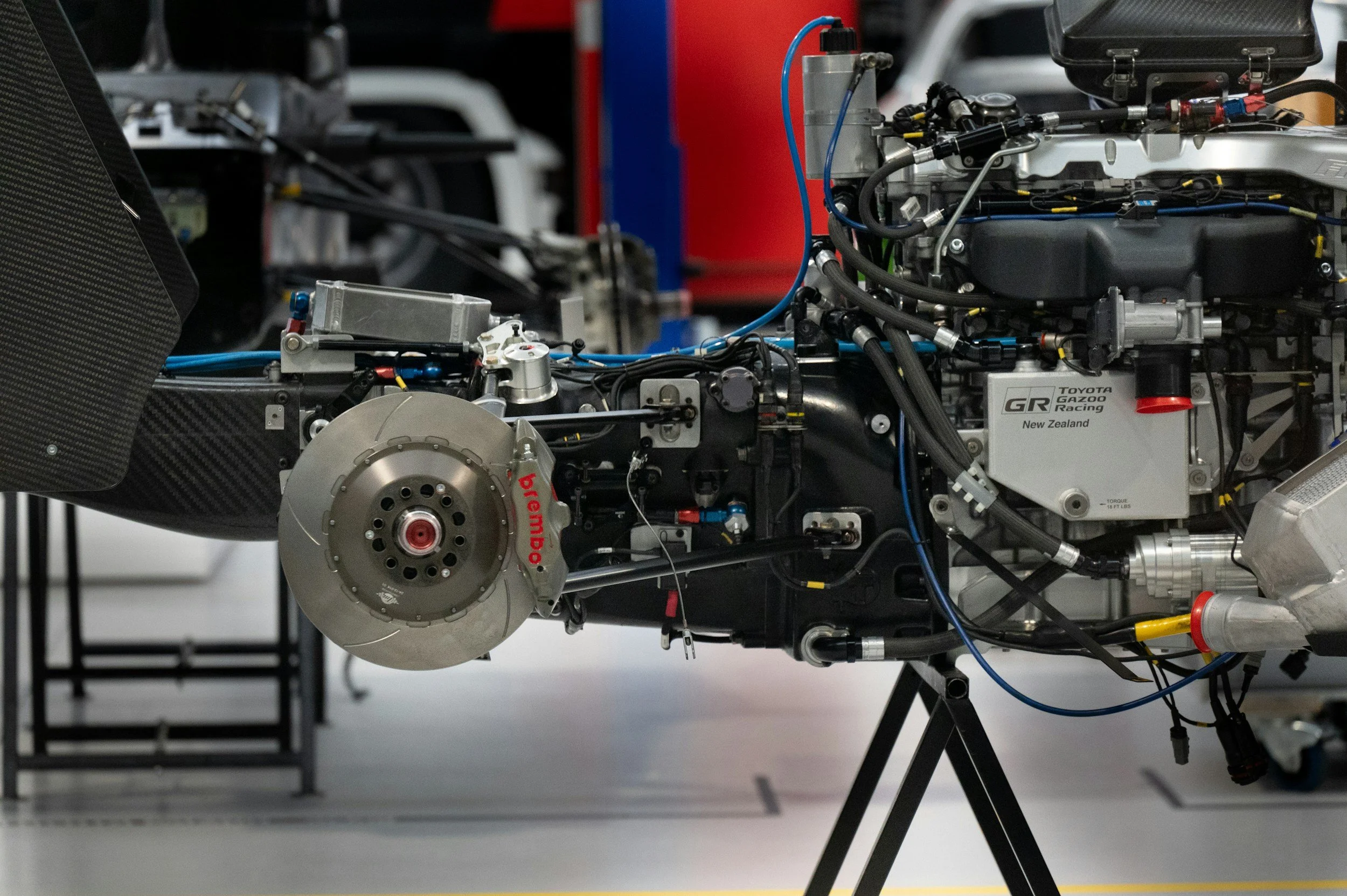
What the buyer needs, and needs early, is clarity on a small set of questions.
What problem does this solve in programme terms?
Why should we trust you?
What does it take to integrate?
What proof do you have?
What happens next if we want to explore?
If you do not answer these quickly, the buyer won’t ask for answers. They just… move on.
A simple message framework that works with engineers and procurement
You need a structure that respects technical depth while still reading like a commercial story. This framework is designed to mirror and flow with how OEM decisions are actually made.

Tier 1 marketing
message framework
The OEM problem in one sentence
Be specific! Try to tie this to something like safety, compliance, warranty risk, cost exposure, or time to SOP.
The impact in programme language
Explain the changes for the vehicle programme. This could be integration effort, validation cost, weight, energy use, sensor coverage, failure modes, or service impact.
The proof
Show what you have tested, validated, shipped, or certified. Where it has been used, what maturity looks like today, and what comes next. This is where you get to show off. Maybe add a bit of brand heritage.
The integration story
Add some clarity around interfaces, compute, packaging, tooling, manufacturing readiness, and support. Be honest about the effort needed.
OEM buyers hate surprises. Especially if they are in a meeting, getting these questions, and don’t already have the answers from you
The commercial path
Here we cover what a pilot looks like, the realistic timelines, resourcing, what you will need from the OEM, and what the first serious conversation should cover.
This structure builds confidence with engineering and shows procurement that you understand risk.
The core assets every supplier should have ready
If you want OEM conversations to move faster, you need assets that make it easy for buyers to share your story internally.
Start with these:
A one page product brief
Readable in two minutes. Aim for clear application, impact, proof, and next steps. No filler.
Integration checklist
A simple list of what the OEM needs to know, and what you need from them. This signals maturity and reduces friction.
Proof pack
A short summary of testing, validation, and ideally, certifications. This is where trust is earned.
A discussion deck
To be clear, this absolutely is not a pitch deck. A deck designed to guide a conversation, with clear prompts and decision points.
A website product page that matches this messaging
Your website should not be a brochure. It should act as a filter, helping the right buyers see relevance and take the next step. If someone in the OEM is advocating for you, their colleagues will start looking into you too. Be ready, have a page that helps them sell you.
How Tier 1s build trust without giving procurement a reason to slow things down
Many suppliers fall into one of two traps: they either avoid publishing useful material altogether, or they release long reports that overwhelm buyers without guiding decisions. But there is a middle ground.
Try to publish short perspectives that show how you think about the problem space. Focus on trade-offs, decision criteria, and real world constraints. Obviously leave the proprietary detail out, but demonstrate that you understand the pressures OEM teams are under.
This type of content makes buyers more willing to take a meeting because it signals competence without giving procurement a reason to slam the brakes.
How Six Lines helps Tier 1 suppliers move faster
Six Lines provides practical marketing support shaped around how the automotive industry actually works. We specialise in helping you navigate the long sales cycles, complex buyers, and technical products.
If you want OEM conversations to move forward quickly, we usually help in three focused ways.
A positioning & messaging workshop
One day with your technical and commercial leads to align on the core narrative and proof stack.
An OEM-ready asset sprint
Creation of the one page brief, integration checklist, and discussion deck, plus alignment of key website pages.
A marketing campaign plan that designed around OEM purchasing needs
Targeted outreach, event follow up structure, and content that supports real conversations rather than vanity metrics.
If you want to talk it through, get in touch. We will look at what you have today and suggest the fastest route to more productive OEM conversations.
This article is part of Perspectives, our series of practical views on automotive marketing problems.