Autotrader: How to reduce your days-to-turn

Six Lines - Car Dealer Marketing Support
Why Days-to-Turn matters more than most dealers admit
Days-to-Turn is not a marketing problem. It is a working capital problem that marketing can fix, fast!
Every extra day a car sits online is money locked up. It is also attention leaking away. The longer a vehicle hangs around, the more likely it is that your team starts making quiet compromises. The photos stay as they were. The description stays generic. The price gets nudged down in small steps because someone feels they should do something, even if they are not sure what. The team starts to doubt the vehicle, and potential buyers hear it in their voice when talking to them about it.
That is how good stock becomes dead stock, and it can happen very quickly.
The good news is that most dealerships already pay for the platform, already have the cars, and already have the basic ingredients. The gap is rarely effort, it’s normally a focus issue. The fastest gains come from tightening the parts of the listing that influence buyer confidence in the first ten seconds.
The 3 key levers you control on Autotrader UK
On Autotrader, you cannot control the market, competitor behaviour, or what buyers are browsing at 9pm on a Tuesday while not really paying attention to Netflix. But, you do get to control three key things.
First, your pricing position versus the live market. Buyers do not need to be pricing experts. Autotrader gives them enough signals to feel whether a car looks fair, risky, or over priced.
Second, your advert quality. That includes the first image, the attention grabber (don’t write this is all caps), the early lines of the description (please don’t write this in all caps), and whether the listing answers the obvious buyer questions without making them work.
Third, your stock discipline. Not every car deserves equal attention. Your best lever is deciding which cars get a refresh today, and which cars get an exit plan.
If you improve just one of those levers consistently, your Days-to-Turn will start to move. If you improve all three in a simple routine, it becomes hard for Days to Turn not to improve.
Advert quality: The fastest win you can make this week
Most dealer listings fail in the same place. The first image does not earn the click. You’ve probably seen these images yourself. Good cars that for some reason, look like they have a dent in the first image, but clearly don’t have one in others. Washed out images that make a clean car look dirty, that make a low mileage car look moon-mileage, that make a black interior look grey.
Your first image is your shop window. It should be bright, straight, clean, and obvious. If the buyer cannot instantly recognise what they are looking at, you have already lost them to the next listing.
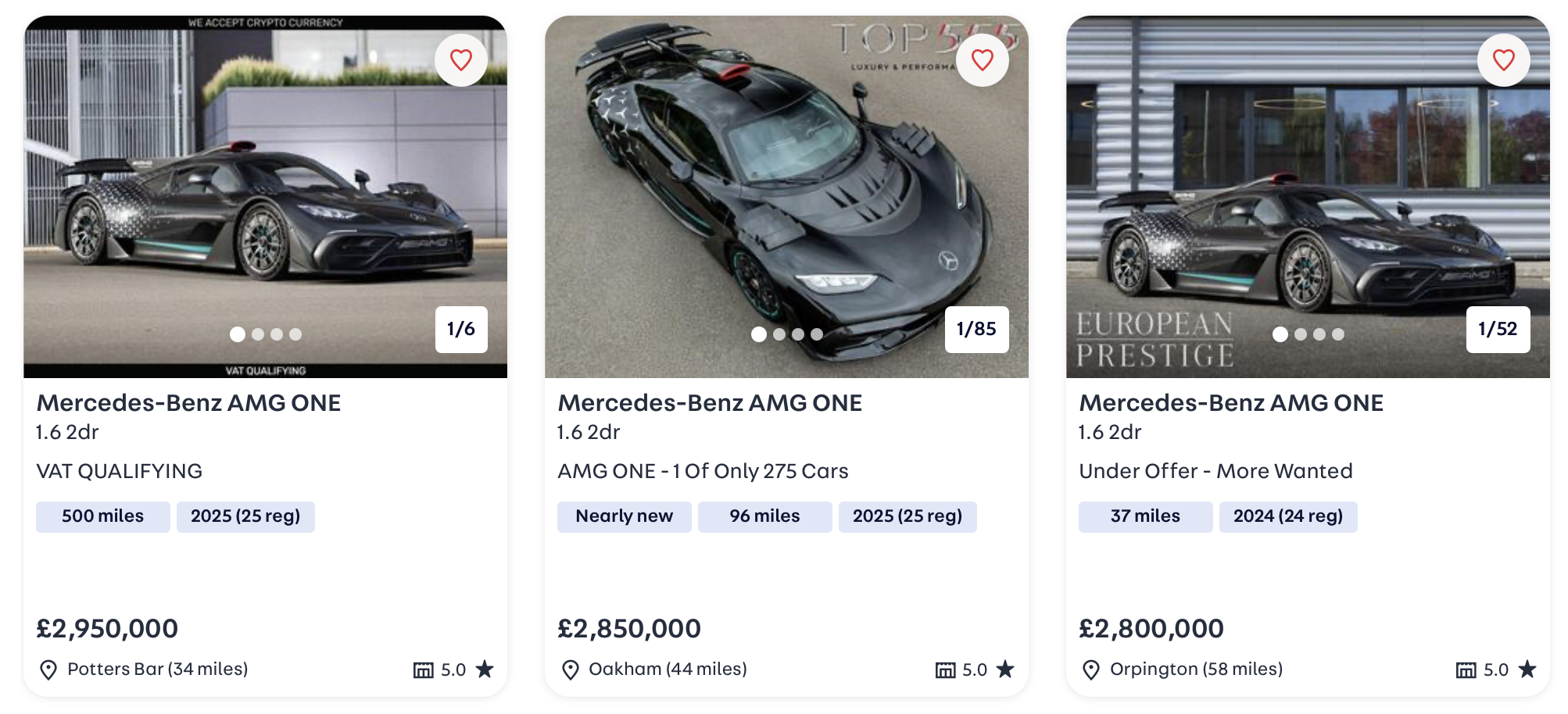
Then comes the Attention Grabber. If your headline is simply the model and engine, you are handing the click to the next car. The headline should help the buyer self-select.
A simple approach is: model, plus spec-hook, plus a confidence cue.
Spec-hook could be trim level, a key (or rare) option, or the one feature buyers actually search for (CarPlay, Harman Kardon, PCCB). A confidence cue is something that reduces worry, such as full history, one owner, or approved prep, (but only use what is true and provable).
Now the description. The first three lines matter most. Buyers skim, especially on mobile. So your opening needs to do three jobs fast.
Job one: Confirm the car, in plain language. We don’t want a spec dump here.
Job two: Give one or two reasons to choose this car, not this model.
Job three: Remove friction by stating what happens next, information on finance, part exchange, delivery, and how to reserve. This is where you stop selling the car and start selling yourself.
After that, structure your description so it is easy to scan. Short paragraphs. Simple labels. Bullet lists that highlight what a buyer cares about, not every feature in the brochure. Would you read a spec sheet at them if they were stood in front of you?
A practical checklist for every listing:
Photos: Clean, consistent set with an inviting first image.
Headline: Includes a buyer-facing hook.
Opening lines: Benefits and reassurance, not just spec.
Proof: History, prep, warranty, tyres, service, MOT, keys. The older the car, the more this becomes vital.
Buying process: Finance example, part exchange process, delivery, reserve option.
Call to action: One clear next step.
If your team writes listings like this, you will see higher quality enquiries. That is often the first step to faster stock turn.
Pricing signals: How to stop guessing and start managing

Pricing is emotional in dealerships.
… it really, really shouldn’t be.
You need a simple view of where you sit versus the market, and a set of rules for when to adjust your price, when to improve the listing, and when to change the plan.
A good rule of thumb:
Not getting views? You have a visibility problem.
Views but no enquiries? You’ve got a listing problem.
Enquiries but no deals? You have a handling or expectation problem.
Price can fix visibility. But it can’t fix poor photography, confusing (or ALL CAPS) descriptions, slow response, or a mismatch between ad promises and reality. So do not reach for price first, as you’re just taking money out of your pocket. Check the basics, and then use pricing signals with intent.
Your goal is not to be cheapest. Your goal is to look like the safest smart choice at your price point.
A simple weekly routine that protects stock turn
Most dealerships do not need a new system. They need a repeating routine.

A quick content routine for your team
Monday: review the slowest movers and prioritise the top ten.
Tuesday: refresh adverts for those ten, photos if needed, headline and first three lines always.
Wednesday: review pricing position and make confident moves, not tiny weekly drips.
Thursday: check enquiry handling. Response times, first call quality, reserve process.
Friday: pick the next ten and repeat.
This routine takes less time than most teams spend debating why stock is not moving. The difference is it creates momentum, encourages a positive mindset around the vehicle, and genuinely makes your team better at their jobs.
Large dealer groups that manage stock turn well tend to focus less on individual advert brilliance and more on repeatable discipline. Businesses such as Arnold Clark and CarShop (now Sytner Select) built systems around pricing position, consistent presentation, and clear digital merchandising with fast turnaround.
The lesson here is not scale. It is intent. Stock moves faster when listings are treated as operational tools rather than marketing assets that get tweaked occasionally.
If you want help
Of course you can also just have Six Lines Automotive do it for you!
We help car dealerships make listings that stand out, earn better enquiries, and reduce their Days to Turn. Send us a message below to book a free review of your problem listings, and get quick fixes you can use today.
Option 1: A fixed-scope audit of your Autotrader listings, with a prioritised action list for the next 14 days.
Option 2: A rewrite pack for your slow movers, including headline, opening, structure, and buyer proof points.
Option 3: a short workshop with your sales managers to set the routine, agree standards, and get the team aligned.
If you want to talk it through, drop us a message and we will take a look at what you have today and where the fastest wins are.
This article is part of Perspectives, our series of practical views on automotive marketing problems.