Engineering & technology SMEs: How to move beyond technical expertise into predictable growth

Six Lines Marketing
Milton Keynes has become a hub of the UK’s more interesting engineering and technology business. Sitting within the Oxford-Cambridge technology corridor and adjacent to Motorsport Valley, the region brings together an unusually broad mix of technical industries. Automotive engineering consultancies, simulation specialists, mobility software companies, robotics developers, manufacturing technology firms and advanced research teams all operate within a relatively small geography.
This concentration of talent has had an interesting effect. Companies here are rarely working in isolation, with engineers moving between businesses, ideas crossing disciplines, and supply chains form naturally between firms that understand complex technical work. It has created an environment where specialist companies can grow quickly while still remaining deeply technical.
Many of the businesses based here compete well beyond Buckinghamshire. Some operate nationally, others internationally. What they share is a focus on difficult problems and demanding clients. Systems that must work reliably. Software that must integrate into complex environments. Engineering solutions that cannot afford to fail.
Six Lines is based in MK, which means most of the companies we support operate within this same ecosystem. Founder-led consultancies, specialist software firms and manufacturing technology companies building serious businesses with small teams and deep expertise, and across these companies, growth often feels unpredictable, even though technical capability is high.
In many cases, those businesses are plateauing because of how the business is positioned.
(Yes, Milton Keynes is also widely known for the roundabouts . They’re actually great fun in the right car)
Why strong engineering businesses still experience uneven growth

Across engineering and technology SMEs, technical capability rarely holds the business back. Teams solve complex problems every day, whether that means designing reliable systems, integrating software into demanding environments or delivering engineering work that must withstand scrutiny long after the project is complete. Clients who have experienced that capability usually return because the work performs exactly as promised.
We find that many founder-led firms match a familiar commercial rhythm. A major project arrives and occupies the team for months. The company looks healthy and expansion begins to feel realistic.
When the project concludes the pipeline becomes harder to read than the current workload might suggest. Opportunities appear, though not always with the regularity that would make hiring and investment decisions comfortable.
How buyers interpret engineering capability
Engineering businesses develop their understanding of the market through years of project work. Teams learn which challenges suit them best, which environments they operate most comfortably in and which types of client relationships produce the strongest results. That knowledge grows gradually as the company delivers projects and refines its methods.
Prospective clients encounter the business without that history. They see a company with credible experience and technical capability, and they try to work out where it belongs within their own environment. The buyer is asking practical questions. What types of problems does this team usually solve? Which industries or operating environments are familiar to them? Where has their experience already been tested?
When those answers become clear quickly, the conversation tends to progress smoothly. The buyer can then explain internally why your product is relevant, your company is worth a shot, and colleagues can picture the role the supplier might play in a project. The whole opportunity becomes easier to describe, and easier to justify.
When that picture takes longer to form, the conversation often drifts and can quickly go quiet. The buyer may recognise that the team is capable, but struggles to place the company within a clear category of supplier. Projects that might have suited the firm move forward with companies whose role feels easier to describe internally.
What complex industries reveal about this dynamic
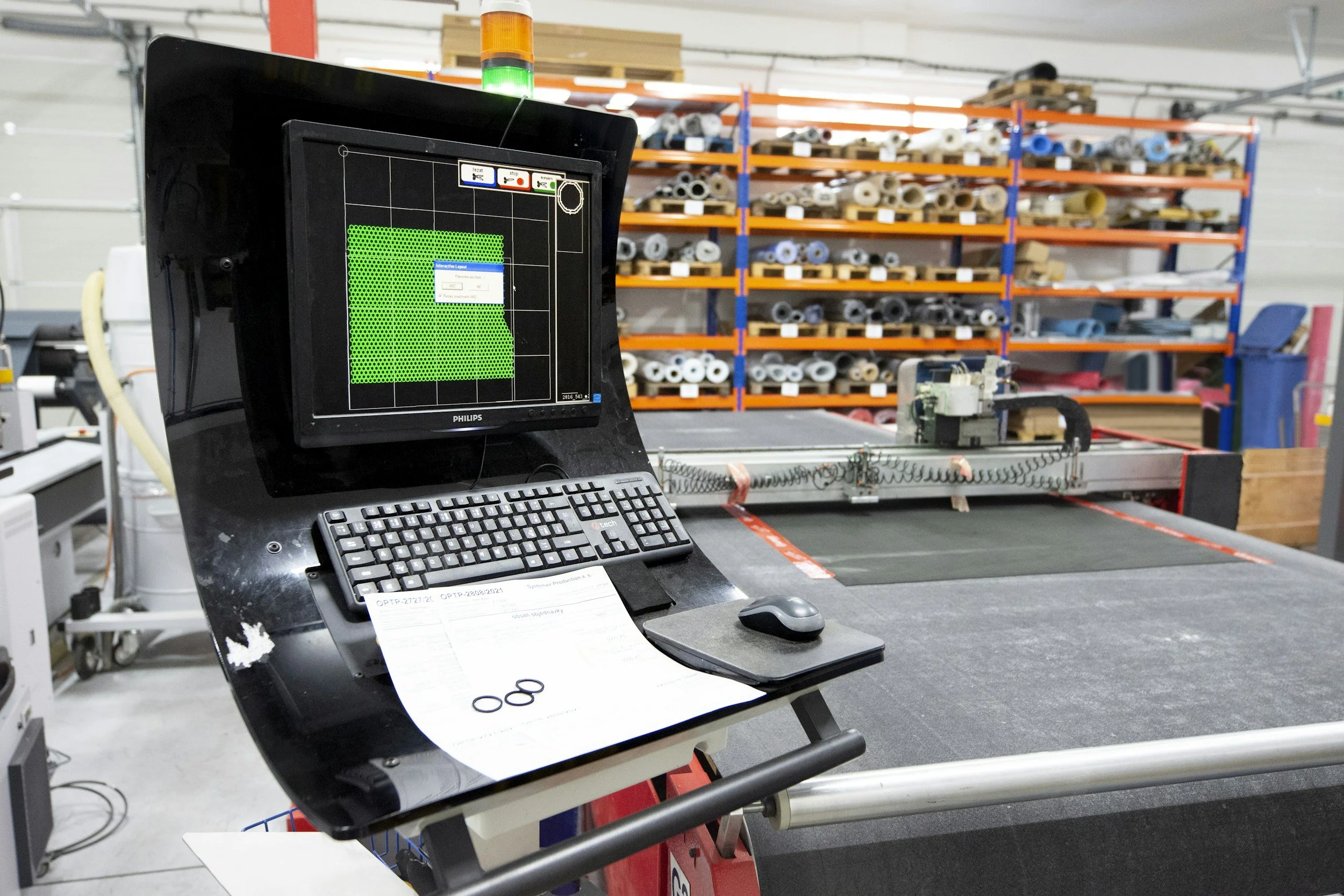
Working with companies that sell into the automotive industry makes this pattern particularly visible. Automotive engineering environments involve multiple stakeholders and long development cycles, which means suppliers are evaluated through a sequence of internal discussions before a project moves forward.
Within that, environment suppliers with expertise that is easy to interpret tend to progress more smoothly. When colleagues across engineering, programme management and procurement can understand how a supplier fits into the wider programme, conversations develop naturally and commercial momentum builds.
Suppliers with capabilities are technically impressive, but harder to interpret, often experience slower progress. Meetings can be constructive and interest genuine, but after the meeting ends, the internal conversations you’re not part of begin to struggle to place your company within a clearly defined role.
Engineering SMEs outside automotive encounter this same dynamic. Buyers still need to explain internally why a particular company makes sense for a particular challenge. When that explanation is easy, projects move forward with greater confidence. This is especially important when you lean towards the ‘S’ side of ‘SME’.
How positioning shapes the market’s understanding
Positioning influences how easily buyers can interpret a company’s expertise.
Inside the business the team understands the problems it solves particularly well and the environments where its experience creates the greatest value. When that understanding becomes visible to the market, prospective clients can recognise how the firm’s capabilities relate to their own situation.
Clear positioning gives buyers reference points that help them place the company quickly. They can see the types of challenges the firm usually tackles and the context in which its experience has been developed. Conversations begin with a shared understanding of why the company might be relevant.
As that clarity develops, referrals begin to align more closely with the work the firm performs best. Marketing materials reinforce the same commercial narrative rather than presenting disconnected examples of technical capability. Over time prospective clients approach the business with a clearer idea of the role the company might play.
For many engineering SMEs this shift changes the nature of incoming conversations. Prospects arrive with a more accurate expectation of the company’s expertise, which shortens the path from introduction to decision and gradually stabilises the pipeline.
How marketing supports engineering sales
Engineering services are rarely purchased through quick decisions. Buyers want to feel confident that the supplier understands their environment and can deliver work that will perform reliably over time. Those judgements develop through conversations, evidence and accumulated credibility rather than through a single marketing interaction.

Marketing needs to play a different role in technical sectors. Its purpose is to help buyers interpret the company’s expertise before those conversations begin. Websites, case studies and technical content all contribute to that process by showing how the firm’s experience relates to the kinds of problems prospective clients face.
When those materials reflect a clear commercial narrative they support the sales process directly. Buyers arrive with a stronger understanding of the company’s relevance, and internal teams can explain the firm’s expertise consistently during discussions with clients.
Marketing becomes part of the commercial conversation rather than something separate from it.
Questions from engineering and technology SME founders
-
Specialisation does not mean rejecting adjacent work. It means understanding where the business consistently delivers the greatest value and communicating that clearly. When the market understands those strengths, enquiries tend to align more closely with profitable work.
-
Referrals are fantastic in technical sectors where reputation matters, but they are unpredictable. Relying exclusively on them usually produces uneven revenue patterns. Combining referrals with structured marketing improves visibility and stabilises demand. Effective positioning helps word-of-mouth spread.
-
Many firms describe themselves in very similar ways. Generic claims about quality, innovation or technical excellence rarely help a buyer understand why one firm should be chosen over another. Marketing that explains specific problems solved, sectors served and outcomes delivered tends to perform better.
-
Founder-led businesses often rely on the founder’s ability to explain complex value propositions. Documenting positioning, refining messaging and aligning case studies around defined themes allows the business to communicate value consistently without requiring the founder to interpret every opportunity personally. This allows for the founder to focus on longer-term initiatives and wider business opportunities, while still allowing for them to be ‘deployed’ into sales discussions where needed. This also adds to their effectiveness when they are brought in.
-
Positioning often needs attention when growth plateaus, when revenue becomes concentrated among a small number of clients, or when enquiries begin to feel misaligned with long-term strategy. These signals usually suggest that commercial focus requires refinement.
Where Six Lines gets involved
Many engineering and technology SMEs reach a point where their technical capability is no longer the constraint on growth.
Clients who your company trust it. The team understands exactly where its expertise creates the most value. The difficulty appears when the wider market encounters that expertise for the first time and needs to understand where the business fits. When that interpretation is easy, conversations move forward naturally. When it is harder, even strong capabilities can struggle to translate into commercial momentum.
This is usually where we get involved.
If you want to make your expertise easier for the market to understand, we can help with a focused set of outputs.
A positioning and narrative framework
Your core commercial story, the problems you solve best, and the environments where your expertise creates the most value.
A website structure that makes the expertise clear
Homepage, service pages and technical content organised so prospective clients can quickly understand where you fit.
A small set of technical perspectives
Short articles that demonstrate how your team thinks about the challenges your clients face.
Milton Keynes, Cambridge and Northamptonshire have become a hub of engineering and technology firms building impressive businesses with small teams and deep expertise.
These businesses have already proven their capability through demanding project work. But growth can still feel slightly more dependent on circumstance, or even luck, than it should, particularly when new clients encounter the company for the first time and struggle to place it within their own projects or programmes.
If that feels familiar, we should probably talk…