Precision manufacturing marketing: How to attract the right work more often
Precision manufacturing businesses often present themselves online in a strangely narrow way. You will usually see the machines, the process list, the tolerances, the quality line, and perhaps a broad statement about the sectors they support. What you do not always get is a clear sense of where that business is strongest, what kinds of parts and projects suit it best, what technical judgement it brings to the work, or why a buyer in a specific sector should feel more confident because of the thinking behind the production process.
That matters because, in a lot of cases, the website is doing far less commercial work than it should. It may reassure the most informed buyers that the business is technically credible, but still leave everyone else to make too many leaps for themselves. The result is often a site that looks accurate on the surface while doing a poor job of helping the right prospects understand fit, value, and why they should get in touch in the first place.
That problem matters even more because a lot of precision manufacturing businesses still rely heavily on a small number of established customers, while new work arrives mainly through word of mouth and the website contributes very little in the way of viable new enquiries. That may feel manageable while those relationships hold steady, but it leaves the business exposed, makes growth harder to shape, and gives the website far less commercial value than it ought to have.
Precision manufacturing websites often explain capability without explaining fit
There is nothing wrong with talking about machinery. A good plant list matters. Buyers need to know whether you are set up for the materials, tolerances, finishes and batch profiles they are likely to need, and in some cases the technical baseline really does determine whether a conversation is worth having at all. But many precision manufacturing sites rely on that information far too heavily, as though a capable machine, once mentioned, will do most of the persuasive work on its own.
What that approach misses is that buyers are not normally judging a precision manufacturing partner on equipment. They are trying to work out whether this is a business that fits their world and is likely to make life easier once the real work begins. Can it handle parts like ours? Does it understand the standards, applications and risks that shape work in our sector? Is it the sort of team that will spot issues early, ask sensible questions, and contribute something useful before time and cost start drifting in the wrong direction? Is this likely to be a straightforward relationship when details matter?
Those are the questions that sit behind a lot of early supplier decisions, and most precision manufacturing websites barely get near them.
The result is that the business explains what it has, but not always what that capability means in context. A team with deep experience in highly demanding work can end up sounding much like a generalist competitor simply because the website never gets beyond machinery, process names and a few broad claims about quality. That tends to narrow understanding to the most informed readers and makes the business harder to assess for everyone else, including the people inside a customer organisation who may not be close enough to the technical detail to translate it confidently for themselves.
The buyer journey in precision manufacturing is usually more layered than the website suggests
One reason this matters is that precision manufacturing buyer journeys are rarely as clean and linear as many businesses imagine. The first enquiry may come from engineering, procurement, operations, programme management, or an owner-led team trying to solve an urgent supply or production issue. The need itself may start with a drawing, but the decision around a supplier usually gathers weight through several conversations, several concerns, and several people, all of whom are looking for slightly different forms of confidence as the relationship begins to take shape.
Engineering will be trying to judge feasibility, tolerances, manufacturability and technical reliability. Procurement will be focused on responsiveness, clarity, supply stability and the sense that this supplier will not become awkward once the purchase order is raised. Operations care most about lead time discipline, repeatability and whether the communication around the work will be easy to manage. Senior decision-makers will be looking at the whole thing from a broader commercial angle, asking whether this feels like a sensible business to trust with something important. Even in smaller firms, where one person carries more of that responsibility, those questions are still there, floating in the background.
Smart marketing helps that process along. It gives each person enough confidence to keep the opportunity moving, and just as importantly, it gives internal champions something they can repeat to colleagues when the supplier shortlist is being discussed. That is part of the job of a precision manufacturing website. It should help the reader understand why that capability is relevant to their sector, their part, their standards and their pressures. If that explanation is missing, the buyer journey becomes heavier than it needs to be, friction builds, and avoidable doubt starts to do damage.
Good precision manufacturing marketing should help attract the work the business actually wants more of
This is where the conversation needs to become a little more commercial, because the point of better messaging is not simply to make the website clearer in some abstract sense. It is to help the business move towards the kind of work that makes the most sense for the way it wants to grow. A surprising number of manufacturers still speak very broadly online, even when they are much more selective in practice. They will say they support a wide range of sectors, materials and project types, but internally they know perfectly well which enquiries tend to become good long term customers, which jobs are profitable, which relationships are smoothest to run, and which work usually turns into margin pressure and wasted time.
A good website should reflect that reality more honestly. If a business is at its best in low volume, high precision work for technically demanding sectors, the message should make that visible. If it creates more value when customers need support with design for manufacture, smarter planning or problem solving before production begins, the site needs to say so. If repeat production, inspection discipline, documentation and consistency are among the things that set the firm apart, they should appear clearly enough that the right buyer can recognise the fit early.
That is one of the simplest precision manufacturing marketing best practices, but it is often missed because many firms still think in terms of proving capability rather than shaping demand. In practice, the two should sit together. The strongest websites make it easier for better fit opportunities to recognise themselves, while gently discouraging the kinds of enquiries that are unlikely to become good business. It is about using marketing to support the commercial direction of the business, rather than leaving every opportunity to sort itself out after the first contact.
That matters for another reason too. A lot of precision manufacturing businesses are still more dependent than they would like to be on a small number of long standing customers, with new work arriving mainly through word of mouth and the website contributing very little in the way of viable new enquiries. That may feel manageable while those relationships hold up, but it leaves the business exposed, makes growth harder to shape, and gives the website far less commercial value than it ought to have.
Precision manufacturing businesses should say much more about what they actually make
A weak spot on a lot of websites is the strange lack of detail around the output of the business itself. There may be references to milling, turning, assemblies, CNC, prototypes and production runs, but often far less is said than should be about the types of parts produced, the environments they are used in, and the reasons that work is demanding in the first place. The irony is that many of these firms have no shortage of interesting and persuasive things they could talk about. They simply do not bring them forward clearly enough.
That matters because buyers take confidence from relevance. They are looking for signs that this supplier understands work close enough to their own to reduce the risk of a bad fit, and that means they need more than a generic list of processes. A business supplying components into motorsport should not sound exactly like one primarily serving medical, aerospace, defence or specialist industrial applications, even if the machinery overlaps. The context is different. The pressures are different. The consequences of error are different. The disciplines around documentation, repeatability, surface finish, inspection or material choice may be different too. If none of that shows up in the website messaging, a lot of valuable experience remains invisible.
This is why precision engineering marketing works best when it talks about parts, sectors and applications with more confidence. Not in a way that gives sensitive customer detail away, but in a way that helps the buyer understand where the business has genuine depth. Sector pages, project stories, examples of common component types, explanations of why certain jobs are difficult, and a clearer sense of where the firm is strongest all help the right customer make the link between capability and fit. That in turn makes the site more useful for search as well, because it gives Google and the reader much more specific language around the services, sectors and manufacturing strengths the business actually wants to be found for.
The real expertise is often hidden in the people rather than the equipment list
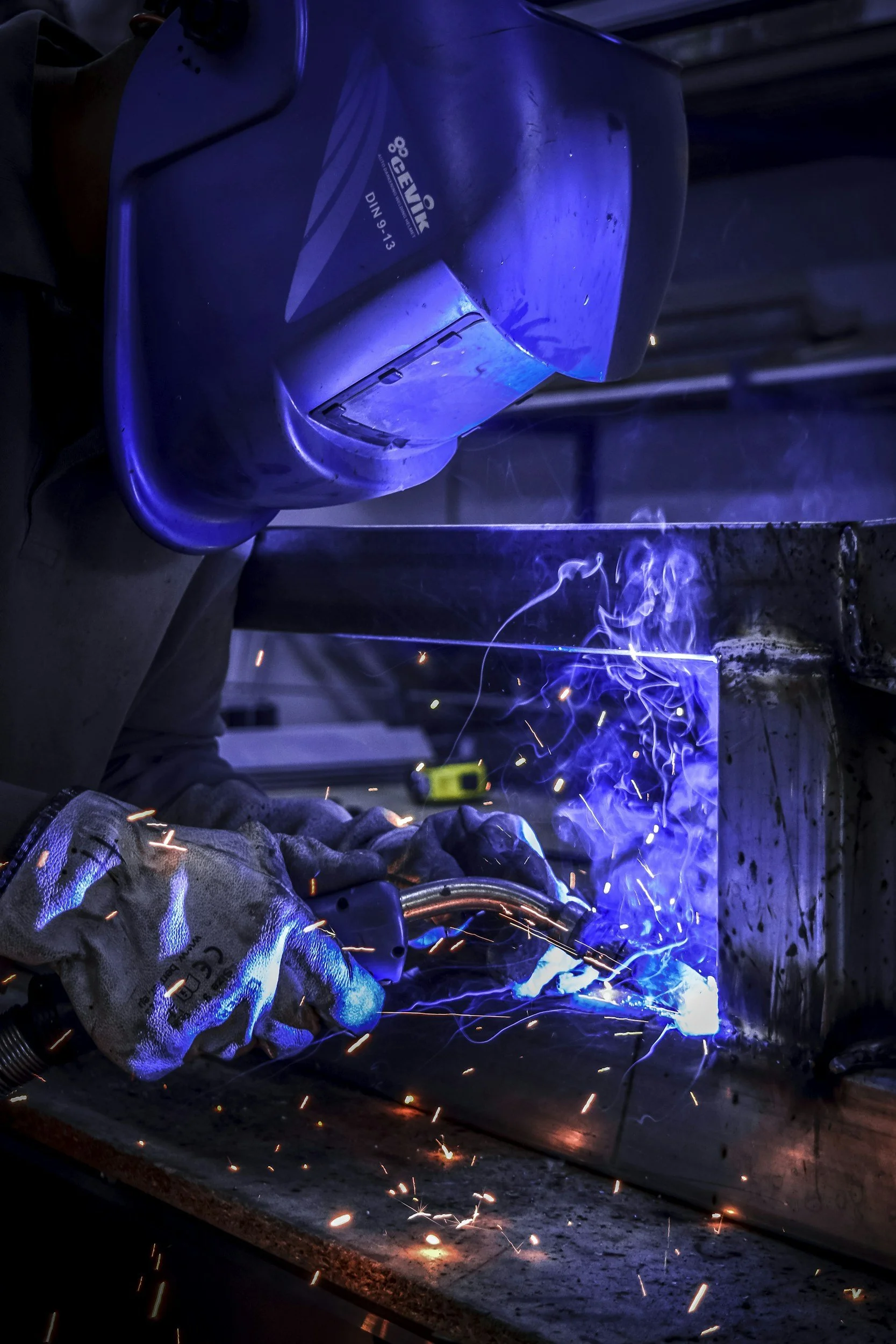
One of the biggest things many precision manufacturers undersell is the judgement behind the work. Websites often present the business as though the machine is the central source of value, but anyone who has spent real time around good engineering teams knows that the more important story is usually sitting with the people. It is there in how a part is reviewed before production begins, in how tolerances are interpreted in context, in how fixturing is approached, in how design issues are spotted early, in how materials are thought about, and in how experienced hands make a series of sensible decisions that stop small problems from becoming expensive ones later.
That is a major part of what buyers are selecting, even if they do not always state it in those terms. They are not simply buying output. They are buying a standard of technical judgement that gives them more confidence in the outcome and often makes the overall job easier to manage. A team that can look at a component, understand the pressures around it, spot where manufacturability could improve, or advise on choices that support longevity, safety, repeatability or cost over time is bringing something much more valuable than basic production capacity. Yet many websites leave that side of the business sitting almost entirely between the lines.
There is a missed opportunity, because this is often where a precision manufacturing firm becomes genuinely distinctive. The best businesses in this space are careful, thoughtful and unusually capable in how they plan and execute demanding work. In some cases, there is something close to artisan expertise involved, just expressed through an engineering and production lens, rather than a romantic one. A good website needs to make that visible, through proper evidence of experience, judgement, technical care and the quality of thinking that sits behind the work.
Strong manufacturing website messaging should explain the improvements the business creates
Another common weakness is that many sites stop at the point of describing the part rather than describing the value around it. They say, in effect, we can produce this accurately, and leave it there. What they often fail to explain is how the business contributes to a better result beyond the act of machining itself. That is a much stronger story, because in a lot of cases the real commercial value is not just in making the part to the required standard, but in improving what happens before, during and after production in ways the customer will feel.
That could mean refining a design so it is easier and more reliable to manufacture. It could mean removing unnecessary complexity that drives cost without improving function. It could mean helping a customer think more clearly about material selection, tolerancing, finish, repeatability or service life. In other cases it may be about reducing waste, improving assembly fit, supporting safety, shortening the route from prototype to repeat production, or simply bringing more order and clarity to a planning process that would otherwise drift. These are not secondary benefits. In many relationships, they are the things that turn a first job into a longer term supplier position.
This is also one of the most useful areas for precision manufacturing website messaging, because it helps a business move beyond proving that it is competent and towards proving that it is commercially useful. Buyers need to understand how working with you is likely to improve the wider result. When that message is missing, the business risks sounding like a supplier of process. When it is present and well explained, the business starts to sound like a stronger technical partner.
Precision manufacturing website best practice is really about reducing uncertainty
A lot of website advice for manufacturers is framed in very generic terms, with the usual talk of design quality, user experience, calls to action and polished branding. All of that matters up to a point, but the more important question is much simpler. Does the site help the right buyer understand where this business fits, what sort of work it is strongest in, and why the relationship feels safe enough to start.
That means a good precision engineering website should do more than present a tidy list of capabilities. It should make the strongest types of work easy to recognise. It should show which sectors the firm understands and how that experience changes the way the job is approached. It should explain the balance between process capability and technical judgement. It should make quality feel like a lived discipline rather than a ceremonial claim. It should show the team, the thinking, the examples and the problem solving in a way that gives the reader something more solid to hold on to than a general promise of precision.
Just as importantly, it should make the next step feel clearer. A lot of buyers are not only wondering whether the supplier can help. They are also wondering what happens when they make contact, how the work is reviewed, whether they are likely to get sensible questions back, and whether the relationship will feel straightforward once the job becomes real. The stronger a website is at reducing that uncertainty, the more useful it becomes as a sales tool. That is one of the clearest goals good manufacturing marketing should achieve.
The handover is one of the most valuable commercial moments in the entire relationship
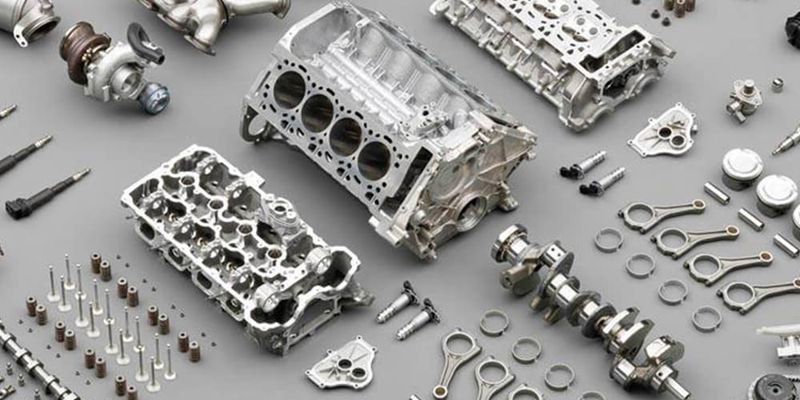
One of the more overlooked parts of the precision manufacturing buyer journey comes right at the end of the first job, when the finished part or assembly is delivered and the customer gets to judge the business through direct experience rather than expectation. A lot of firms treat that point as the close of the transaction and move on too quickly, but commercially it is often carrying more weight than any other stage in the relationship. This is where the customer stops imagining what it might be like to work with you and starts deciding whether it felt organised, thoughtful, dependable and worth repeating.
That judgement is shaped by far more than whether the part met the drawing. The customer is also taking in how clearly the process was handled, how tidy and useful the documentation was, whether communication stayed calm and sensible when details mattered, whether the presentation reflected care, and whether the whole experience made the business feel easier to deal with than alternatives. Those things matter because they shape memory, and memory shapes what happens next. If the first job lands well, it becomes much easier for the customer to come back with the next requirement and much easier for your name to travel inside their business when another need appears.
That is also why handover is such an important opportunity to widen the relationship. At that moment, trust is at its freshest and the customer has the clearest possible basis for seeing you as more than a one process supplier. This is where conversations can begin around adjacent machining processes, finishing, assemblies, inspection support, repeat runs, stock holding, design input or other services that may not have been in scope at the start. Precision manufacturing businesses often talk a lot about winning new work, but they do not always give enough thought to how the end of one job can shape the next piece of demand. In many cases, that is where some of the best growth sits.
Where Six Lines fits
Six Lines works with precision manufacturing businesses that already have real capability, but know that their website and marketing are doing less commercial work than they should.
In practice, support usually starts in one of three places.
A focused review of how the business currently presents itself online.
This means looking at the website through the lens of buyer understanding, sales fit, and commercial clarity rather than surface level design alone. The aim is to identify where good opportunities are being lost because the business is under explained, too broad, or too machine led in the way it presents itself.
Clearer messaging around sectors, parts, and technical value.
This usually means helping the business explain where it is strongest, what sort of work suits it best, what judgement sits behind the production process, and how its expertise creates value beyond simply making the part. The point is not to make the business sound cleverer than it is. It is to make the real strengths of the firm easier for the right buyers to understand.
Ongoing content and commercial support.
This can include sector pages, project led website content, case studies, email content, and wider messaging support that helps the business stay visible in a way that builds confidence over time. Not noise for the sake of it, but useful material that helps buyers understand the work, the thinking, and the sort of relationship they can expect.
We’re not looking for louder marketing here. It’s clearer communication that helps precision manufacturing businesses attract more of the right jobs, support stronger buyer confidence, and create better commercial momentum from the capability they already have.
If your website rarely brings in worthwhile new enquiries, while most of the business still depends on repeat work from a small number of established customers, we should probably talk…